We Don’t Just Sell Homes, We Settle Estates. Start with a casual chat to craft a plan as unique as your story. Book a Call
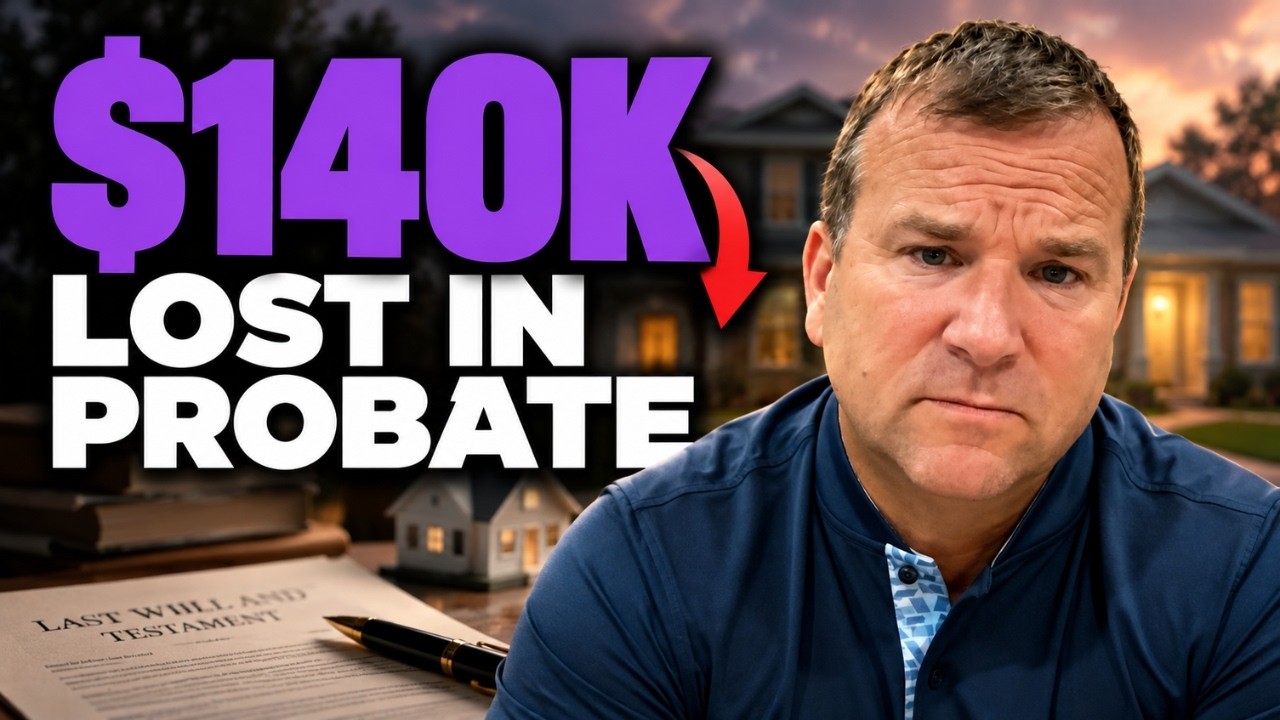
If you’ve inherited a house in Texas and need to sell it fast, probate can hold everything up while the expenses keep coming. The fix has to happen before you need it, and it’s in the hands of whoever owns the home today.
By the time I sit down with a family, they’ve usually gotten advice from everybody, and these days that includes AI chatbots. When a parent or relative is expected to pass, and the house is going to change hands, nearly everyone asks me about a Lady Bird deed.
I wanted real answers, so I sat down with April from Grace Law and Title Firm in Colleyville. I close pretty much all of my deals with her team, and deeds like these are what she handles all day, every day. Her firm partners with Grace Law Firm, a business and real estate law firm right next door. When a question goes past title work, she just walks over and asks.
Heirs can sell the house fast. A Lady Bird deed and a transfer-on-death deed both exist to keep real estate out of probate, and April prefers the transfer-on-death deed. Probate costs money, and it takes time. Either deed takes effect upon death, as soon as the death certificate comes in.
From there, the family can sell the property right away without an order from the probate court. It matters most when a death comes out of nowhere, and nobody was prepared. Maybe there wasn’t any life insurance, and property taxes and mortgage payments show up on top of everything else.
You keep control while you’re alive. Many people get stuck on the idea that signing a deed means signing away their house. April calls this the most important thing people miss. A life estate preserves your interest until your passing, so nobody named as the grantee can do anything with the property until something happens to you. You’re still the owner, and you keep whatever exemptions you qualify for.
The grantor is the person giving the property, whether that’s a parent, grandparent, aunt, uncle, or sibling. The grantee is whoever receives the vested interest, such as your children, siblings, or parents. Either deed can be revoked at any time during your lifetime. If your circumstances change or you decide to sell first, her office files a revocation, and you’re done.
These deeds cover real estate only. Your bank accounts, investments, and the directives in your estate planning documents don’t change. Depending on how large the estate is, you may still need a probate for other assets.
A transfer-on-death deed can name multiple beneficiaries, which April sees as its advantage over a Lady Bird deed. You can leave the house to one child or to all of your children with equal interest. If you own several properties, one transfer-on-death deed can list every one of them, so you’re not recreating the document for each address.
Record it the day it’s signed. Her number two tip is to never sign a deed and sit on it until someone passes. A Texas transfer-on-death deed has to be recorded before the transferor’s death in the public record. Once the owner is gone, it’s too late.
April’s office files deeds electronically once they’re signed. If you prepared yours elsewhere, you can take it to the courthouse yourself.
Filing at the last minute causes a different headache. A deed rushed into the public record the day before someone dies can look self-serving, and the title insurance underwriter will ask about it. Selling a property requires a title company willing to insure the conveyance. Her advice is to handle these deeds the same way you’d handle a will and get them done early.
Online deeds often miss statutory language. You can go online and get a deed for $49, and her office redoes those deeds more often than she can count. Texas requires specific statutory language for these deeds to properly convey through the public record, and it isn’t something to play with.
When that language is missing, the deed has to be re-signed. The trouble is that nobody may realize it until the person who signed it has already passed. In her words, it’s important enough to require a law firm.
Getting it done right isn’t expensive. Her office typically charges $200 to $275 depending on what you need, plus the county recording fee you’d pay anyway. In a simple case where a parent in hospice is leaving the house to one child, she estimates about $275 to have it prepared, signed, and recorded. Compared with what probate costs, that’s a small price to pay.
If I end up buying the house for cash, I cover that cost. When the plan is to sell, the fee can be added to the closing costs at April’s office. You don’t have to use me as your Realtor for that to work.
Family challenges usually center on capacity. Even a deed filed correctly can be contested, because anyone can challenge anything in the public record. If a parent leaves the house to one sibling and the others sue, the beneficiary has to defend it in court.
According to April, there really isn’t another claim to make other than that the person who signed lacked the mental capacity to do it. Proving that means subpoenaing whoever prepared the deed and the notary who notarized it. People do crazy things when grief and money are on the line. Transparency is your best protection, so if you can, sit your family down and tell them what the plan is.
Start the conversation before anyone’s sick. April’s biggest takeaway is to talk about this now, not later. The top question her office hears about transfer-on-death deeds is how to bring it up with a loved one in the first place.
April learned this firsthand when both of her parents died unexpectedly at a much younger age. Her family had never had the conversation, even though this is her profession. She spent months after each of their passings sorting out the property, and havinghalf-siblings made it a lot messier.
Older parents and grandparents tend to get defensive and ask whether you want them to die. April’s point is that it’s about being prepared, and she’s even offered her own story as an easy way to bring it up.
If a parent’s house is going to pass to you, or you’ve already inherited a house and need to sell it fast, I can walk you through your options. April’s team can make sure the deed itself is done right. Book a time to talk with me or visit blog.citiesrealestate.com. I’m happy to help your family get ahead of this.
-
We Don’t Just Sell Homes, We Settle Estates. Start with a casual chat to craft a plan as unique as your story. Book a Call
-
Guaranteed Cash Offer. Skip the hassle of showings, repairs, lender qualifications, and more. Close within 7-14 days with a fair market value. Get Offer
-
Discover Your Home’s True Value. Don’t trust a Zestimate. Get a personalized home valuation directly from an experienced broker. Get Estimate
-
Free Real Estate Newsletter. Get our latest Q&A, insights, and market updates to make smarter decisions. Subscribe Now