We Don’t Just Sell Homes, We Settle Estates. Start with a casual chat to craft a plan as unique as your story. Book a Call
A few months ago, I bought a big pile of mulch on Facebook Marketplace and had it dropped off at my driveway. Then life happened. Between work, closings, kids, family, vacations, and weekends, that pile sat there for six or seven months.
When I finally stuck a shovel in it to spread some over new grass seed out back, the pile wasn’t on fire, but it was smoking. The mulch had been rotting from the inside the whole time, building heat while the outside looked exactly like it did the day it was delivered. My first thought was that I’d been had.
Inherited houses work the same way. Everything looks fine from the street, but underneath, back taxes keep growing, the roof leaks, and the family tree gets more complicated every year no one files probate.
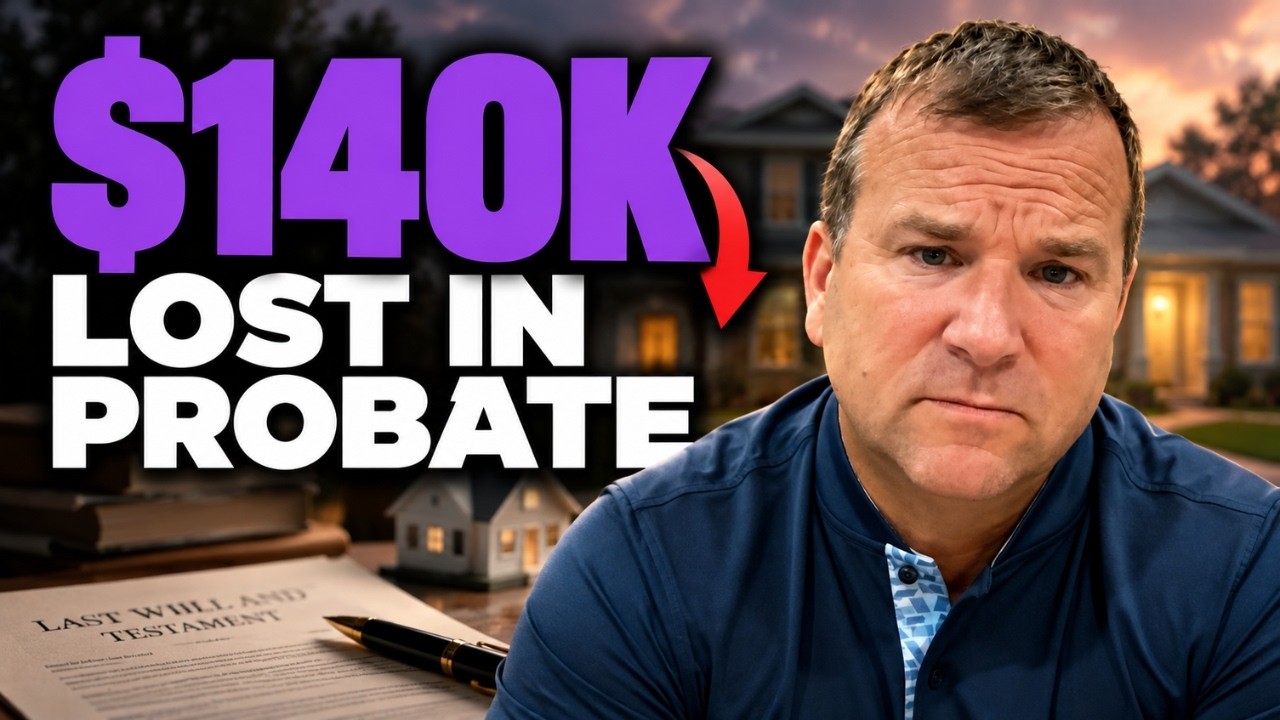
I’m David Pannell, broker and owner of Cities Real Estate. I’ve closed 282 probate and estate sales along with more than 1,700 standard transactions. Denise Walker’s story shows how that hidden damage builds, and how a family can still get out from under it.
Unsettled estates grow harder every year. Arthur and Pearl Simmons bought their house in Fort Worth’s Stop Six neighborhood in 1961. The neighborhood got its name from its stop on the city’s transit route, and the couple raised eight children there. Pearl died in 1994 and Arthur in 1998, and neither one left a will.
As happens in many families, nobody ever probated the estate. The house just stayed in the family. An uncle lived there for a while, then a cousin, and eventually it sat empty.
By 2026, the property taxes were behind, the roof was leaking, and the city kept sending code-violation letters, trying to get someone to fix it. Denise lived in Arlington, and she was the only one in the family who could take it on.
Every death splits the shares further. Five of Arthur and Pearl’s eight children had passed away, and so had several of their children. Each time someone in the family died, their share of the estate split again among whoever was left.
By the time we mapped it out, the family tree had 26 names. Thirteen had passed away, and 13 were living heirs with a legal interest in the house.
Finding and reaching them was a project in itself. Two heirs lived out of state, and one cousin couldn’t be found at all. The uncle who’d lived in the house didn’t trust anyone and wouldn’t sign anything. To him, it was mama’s house, and the family would keep it forever.
Investors discount for condition and title. Before she called me, Denise had talked to three investors. Two never called her back after the first conversation. The third offered $65,000, citing the house’s condition and the title work it would need.
I knew I could do better than that. The reason comes down to four things most families don’t know about how heirship works in Texas.
1. No will doesn’t mean no owner. When someone in Texas dies without a will, the state decides who inherits through what’s called intestate succession. The house belongs to every heir, no matter how small their share. It doesn’t matter whether they know it.
2. Deceased heirs still count. You can’t take someone out of the picture just because they’ve passed away. Their share goes to their heirs, usually a spouse or children. A title company will want every one of those people accounted for, or a court order that handles it.
3. A court can handle missing heirs. If someone can’t be found, the court can help, though this is where it starts getting expensive. In Texas, an attorney can file for a determination of heirship, and a judge officially declares who the heirs are.
When an heir can’t be located, the court appoints an attorney ad litem to represent them. The ad litem keeps one missing cousin from freezing the whole sale. In my experience, missing heirs are usually what gets estates like this stuck.
4. One holdout shouldn’t stop everything. Sometimes a family member digs in. They might be grieving, might not want to sell mama’s house, or might just be scared of being taken advantage of.
Often, what helps is someone experienced sitting down with them in person to explain what their share really is and what holding out could cost. Left alone, the estate does exactly what my mulch did. It sits there, festers, and keeps breaking down until somebody deals with it.
If that conversation doesn’t work, an attorney can step in to explain things and, in some cases, file something like a partition suit. I’m a real estate broker, not an attorney, so always talk to a probate attorney about your specific situation. I have attorneys I can refer you to. My part is coordinating the real estate sale and helping work out the family tree, and most likely saving the family money in the process.
First, file to determine heirship. For Denise, we started by bringing in a probate attorney who handles heirship cases in Tarrant County every week and has handled multi-heir estates before. She filed the heirship determination and asked the court for an attorney ad litem for the cousin nobody could find.
Second, light prep stops code violations. As the court process moved forward, we did just enough work on the house to stop the code-compliance letters and the fines. We cleaned it out, cleaned up the yard, and fixed the roof leak with a couple of shingles. It wasn’t much, and nobody in the family had to lift a hand or haul a single box.
Third, show holdouts the real numbers. I went to his house and sat down with the uncle. We talked about his share, the process, and what holding out would cost him. Sadly, some families end up taking the whole thing to court. This time, he came around once he understood he’d get a small share of the estate.
Market competition outpaced the cash offer. With everyone on board, I gave the family two options. The first was a $95,000 cash offer, which already beat the investor’s number. It would require no repairs beyond what we’d done and no showings, and it would close 4 to 14 days after the court cleared title. It was an easy offer they could depend on.
The second was our 21-day strategy. We’d clean the house and get it broom-swept, no staging. From there, we’d market it to our investor database, our buyer database, and every Realtor, dog, and kid in the Dallas-Fort Worth metroplex. The idea was to create competition and let the market set the price.
The family voted for option two, and the house sold for $178,000, $83,000 more than our cash offer. After we paid the back taxes, closing costs, and attorney fees, we split the money 13 ways, and every heir finally got a check.
If you’ve inherited property in Dallas-Fort Worth and the heirship is a mess, don’t let it sit like a pile of mulch smoking in the driveway. Maybe you don’t know who all the heirs are, or you’re dealing with a difficult probate on the real estate side. Do something about it.
I can give you a cash offer you can count on, or I can help you list the property, clean it out, and get it market-ready. While that’s happening, I’ll help sort out the title issues and find you the right attorney.
I work across North Texas, mainly Collin, Denton, Dallas, and Tarrant counties, and the surrounding counties. To talk through your situation, book a call on my calendar or visit blog.citiesrealestate.com. I’ve been doing this for 21 years, and I’d love to help your family get this settled.
-
We Don’t Just Sell Homes, We Settle Estates. Start with a casual chat to craft a plan as unique as your story. Book a Call
-
Guaranteed Cash Offer. Skip the hassle of showings, repairs, lender qualifications, and more. Close within 7-14 days with a fair market value. Get Offer
-
Discover Your Home’s True Value. Don’t trust a Zestimate. Get a personalized home valuation directly from an experienced broker. Get Estimate
-
Free Real Estate Newsletter. Get our latest Q&A, insights, and market updates to make smarter decisions. Subscribe Now